dev-team-jrdsi

Using AI to Upgrade Legacy Systems: Why the 20% Rule Defines a Smarter Modernization Path

Using AI to Upgrade Legacy Systems: Why the 20% Rule Defines a Smarter Modernization Path

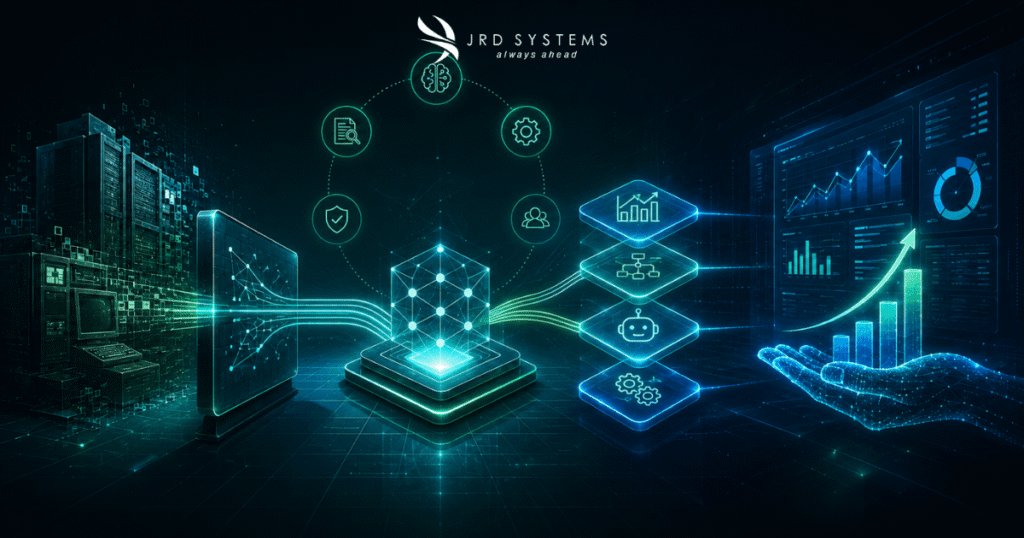
Most legacy systems don’t need replacing; they need smarter integration. This blog explores JRD Systems’ 80/20 approach to AI-powered legacy modernization, showing how enterprises can automate high-impact workflows, unlock legacy data, and introduce AI without disrupting critical systems. Learn why gradual transformation, orchestration layers, and AI-driven integration deliver faster business value than risky “big-bang” migrations, and how organizations across logistics, banking, healthcare, automotive, and distribution are modernizing while keeping their proven core systems intact.
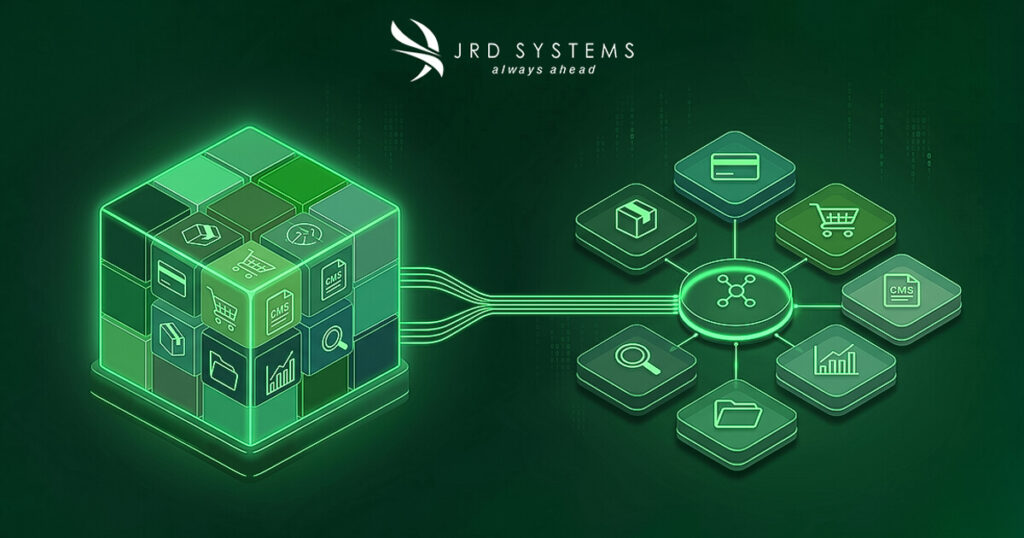
Using AI to Upgrade Legacy Systems: Why the 20% Rule Defines a Smarter Modernization Path Read More »

Recovering the Margin- An Executive Framework for AI-Driven Asset Recovery in Reverse Logistics

Recovering the Margin: An Executive Framework for AI-Driven Asset Recovery in Reverse Logistics

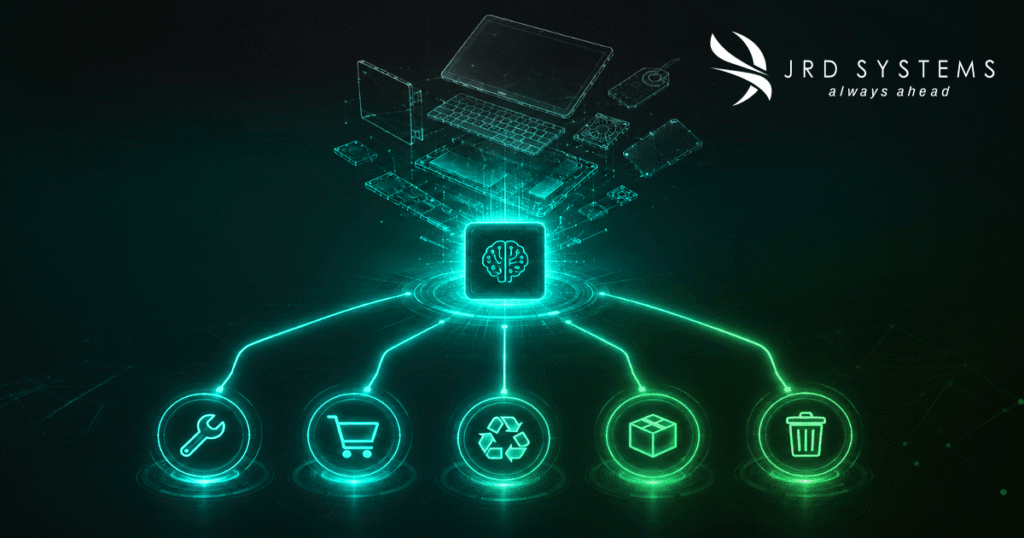
Every enterprise holds an asset class it doesn’t manage: the inventory customers send back. It sits, it depreciates, and nobody owns the decision of what happens to it next. This whitepaper names that gap, decision latency, and shows enterprises how to close it before it quietly erodes any more margin.

Recovering the Margin: An Executive Framework for AI-Driven Asset Recovery in Reverse Logistics Read More »

Why Integration Is the Core Strategy: From Monoliths to Composable Systems

Why Integration Is the Core Strategy: From Monoliths to Composable Systems The Architecture That Once Worked… Now Holds You Back At a point of time building everything into one system made perfect sense, but Monoliths gave teams the control, predictability and a single place for managing everything. But today, businesses don’t move in a straight line anymore. New tools are added continuously.

Why Integration Is the Core Strategy: From Monoliths to Composable Systems Read More »

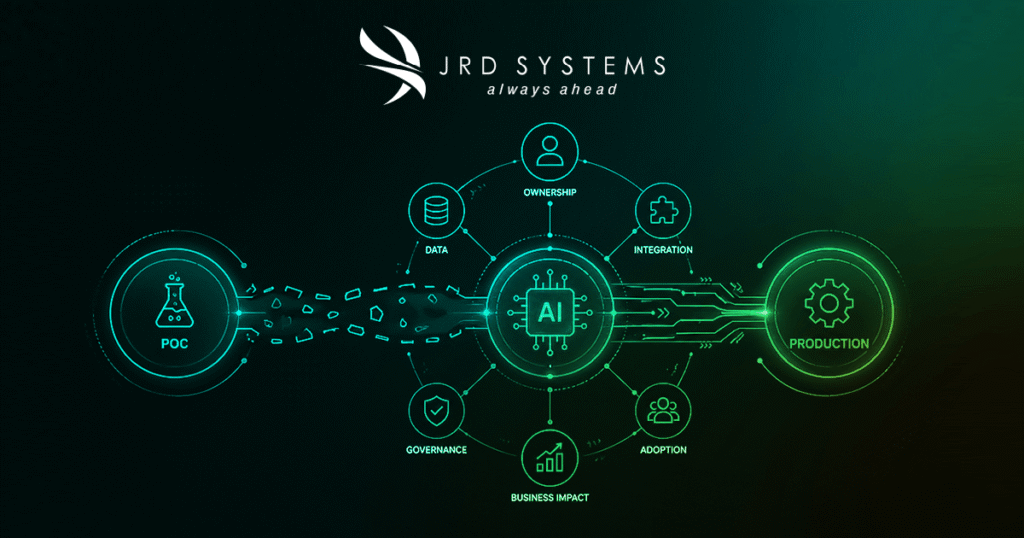
Why 70% of Enterprise AI Projects Fail After Proof-of-Concept Stage

Across industries, most organizational projects do not underperform at the start. But they start failing after proving the work. Teams are building proofs of concept faster than ever, throughout organizations. Models provide strong accuracy, early results look like a good indicator, and leadership identifies momentum. And then slowly progress slows down.

Why 70% of Enterprise AI Projects Fail After Proof-of-Concept Stage Read More »

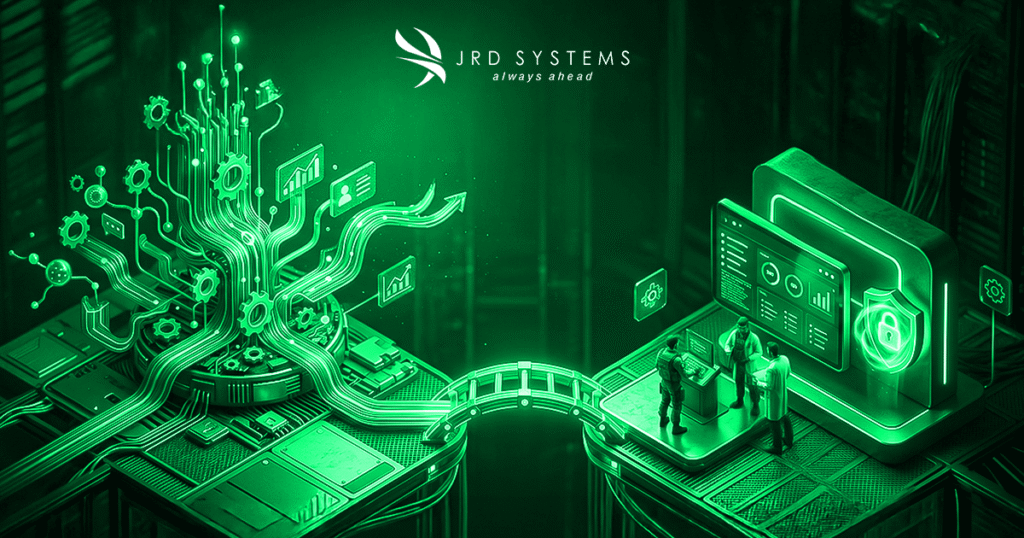
AI Growth vs Governance: The Emerging Enterprise Gap

AI Growth vs Governance: The Emerging Enterprise Gap

Recently, automation is more about designing systems which coordinate people, data, and technology in a smooth way and less about replacing manual steps. Meanwhile integrations and APIs address many system-to-system interactions; a significant part of organizational work still takes place at the user interface level. Applications accessed through browsers, desktop tools, and legacy platforms continue to play a significant role in day-to-day operations.

AI Growth vs Governance: The Emerging Enterprise Gap Read More »

Reinventing Risk Management in the Age of AI, Real-Time Data & Autonomous Systems


When Intelligent Systems Start Making Decisions

For decades, enterprise risk management was designed for a predictable operating model.

Business decisions were made by people, data arrived through scheduled reports, systems executed a predefined task, risk teams analyze results and introduce controls when necessary.

Reinventing Risk Management in the Age of AI, Real-Time Data & Autonomous Systems Read More »

AI-Augmented ETL for Real-Time Cloud Analytics

Recently, automation is more about designing systems which coordinate people, data, and technology in a smooth way and less about replacing manual steps. Meanwhile integrations and APIs address many system-to-system interactions; a significant part of organizational work still takes place at the user interface level. Applications accessed through browsers, desktop tools, and legacy platforms continue to play a significant role in day-to-day operations.

AI-Augmented ETL for Real-Time Cloud Analytics Read More »

Scroll to Top