
AI-Augmented ETL for Real-Time Cloud Analytics
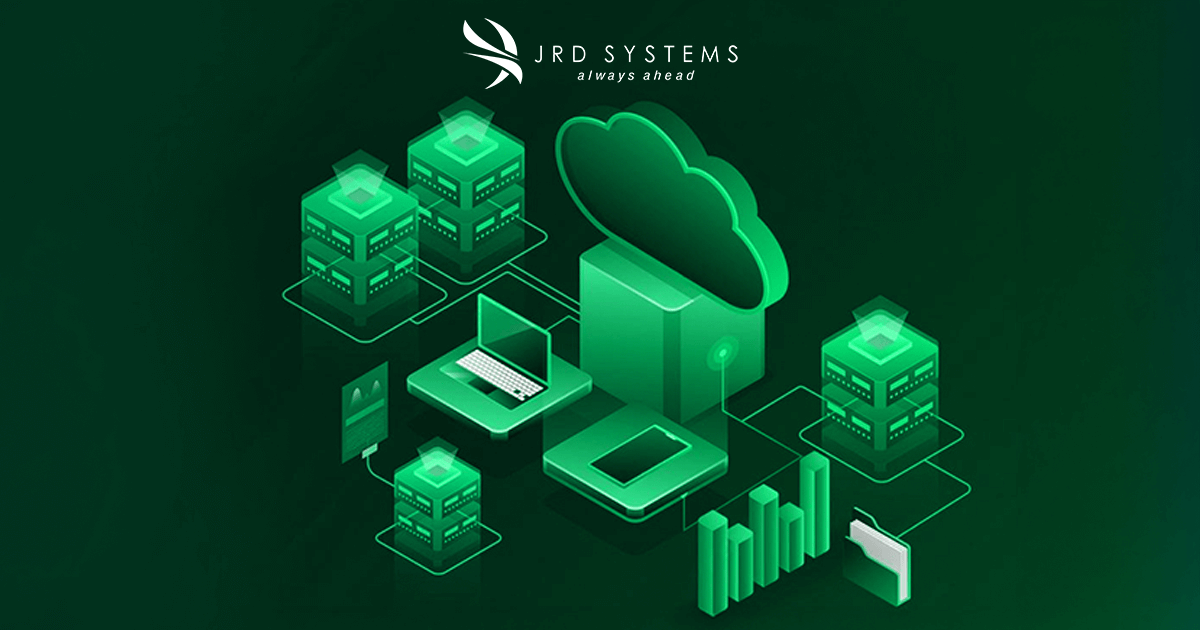
The speed of decision-making has now become the new currency of organizational success. Data pipelines are strategic engines which power real-time insights. The traditional ETL (Extract, Transform, Load) framework was designed for batch modes and structured data segments. But with the rapid expansion of streaming data, AI/ML technologies are crucial in delivering real-time cloud analytics, which drives fast decisions and deep intelligence. This evolution from static ETL to AI-augmented ETL is reshaping how organizations are deriving value from their data.
Rethinking ETL: Challenges in the Age of Instant Insight
Traditional ETL processes were optimized for scheduled processing: extract data from operational systems, modernize it as per static rules, and load it to a data warehouse. However:
- Latency becomes a liability: Scheduled processing may introduce hours or days of delay which is unacceptable for modern use cases like fraud detection or customer personalization.
- Schema rigidity and maintenance overhead: Static transformation logic often fails when data sources change.
- Resource inefficiency: High compute costs arise due to repeated test environment and reprocessing.
These challenges are not just technical, but it also weakens strategic agility in competitive markets.
What “AI-Augmented ETL” Means
AI-augmented ETL refers to the integration of artificial intelligence and machine learning into traditional ETL workflows for making it adaptive, self-optimizing, and real-time ready. Rather than following rigid rules, pipelines can learn from data patterns, automate quality checks, and optimize themselves continuously.
Studies highlights that intelligent ETL pipelines may deliver significant performance and quality improvements by merging technologies such as:
- Machine learning for anomaly detection and data quality management.
- Reinforcement learning for dynamic resource scheduling and query optimization.
- Deep learning for schema inference and intelligent transformation.
- Streaming frameworks like Kafka for real-time ingestion.
Data Integration: Evolving with AI
According to Gartner research, data integration practices must evolve beyond manual and siloed approaches. Their maturity model clearly identifies “Augmented” as the highest level where organizations leverage AI for reducing human dependency, improving metadata activation, and driving automated optimization.
Augmented analytics (an analytics discipline underpinned by AI/ML) is a major future trend which automates insight generation and enables data users to ask natural language questions of data.
Moreover, belief in AI-driven integration is reflected in industry recognition: cloud platforms which integrate AI into data tools such as cataloging, governance, and pipeline orchestration are positioned as leaders.
Key Technical Pillars of AI-Augmented ETL:
Below is how AI improves each stage of the pipeline:
-
Intelligent Extraction:
AI detects schema drift, understands the structure from semi-structures sources and automate connectors; this minimizes manual workload. -
Smarter Transformation:
- Self-learning transformation logic
- Anomaly detection for data quality
- Adaptive normalization tuned by usage patterns.
-
Optimized Loading:
AI predicts resources requirements and adjusts compute allocations for reducing cloud cost while maintain performance -
Self-Monitoring
Real-time anomaly detection and predictive alerts helps in preventing pipeline failures before they impact analytics.
Combining, these capabilities dramatically decrease time to insight from days to real-time, that is important for modern analytics applications.
JRD Systems’ Approach to AI-Augmented ETL
At JRD Systems, we partner with organizations for building an AI-ready data base where ETL is a strategic asset. Our approach combines AI and data engineering principles for powering both efficiency and insights.
- AI-Assisted Data Assessment: We start by leveraging AI for evaluating data quality, lineage, and pipeline gaps that uncovers inconsistencies and optimizes opportunities before it becomes a constraint.
- Streamlined Integration Architecture: Unifing data flows are designed for using modern integration frameworks, augmented with AI-driven mapping and anomaly detection that reduces manual wiring and improve reliability.
- Intelligent ETL & Transformation: AI-enabled workflows adapt transformation logic based on real-time patterns, auto-correct data issues, mid-execution, and significantly shorten processing cycles.
- Governed, Secure, and Scalable Design: Governance and monitoring frameworks powers the continuous AI monitoring to ensure data compliance while enabling the agility required for real-time analytics.
We don’t just build pipelines, but also continuously optimize them for real-time analytics, trust, and enterprise growth.
Client: A leading financial information, analytics, and ratings provider in global markets.
JRD Context:
Developed a data analytics solution using AWS cloud.
Solution:
- Integrated disaster recovery and automated workflows.
- Utilized advanced analytics to forecast risks like flooding, wildfires, and extreme weather events.
Key Benefits:
- 35% Decision making accuracy
- 99.99% Uptime assurance with automated backups
- 30% Improvement in work efficiency
Conclusion
AI-augmented ETL is the next wave of data engineering maturity. By embedding AI at every step of the data pipeline, organizations can achieve real-time analytics, proactive data governance, and cloud efficiency at scale.
From Gartner’s strategic frameworks to Accenture and Deloitte’s business insights, the industry consensus is clear that AI is no longer an adjunct but a core requirement of modern ETL pipelines.
Whether your business wants faster anomaly detection, adaptive data workflows, or cost-effective analytics in the cloud, AI-augmented ETL is the base platform that makes real-time analytics possible.